Aakash Gupta details Adam Neumann's career, including over $700 million in cashed-out stock before WeWork's IPO collapse, and a 2022 $350 million a16z investment in his residential startup Flow, now valued at $2.5 billion. He notes WeWork sold to Yardi for $450 million.
Adam Neumann ran a $47 billion company barefoot, got fired, watched it go bankrupt, and his new startup is now worth 5x what all of WeWork sold for. The shoes joke is a victory lap.
He cashed out over $700 million in stock sales and loans before WeWork ever filed to go public. When the IPO imploded, employee equity got crushed. His money was already out.
Then came the round nobody could believe. In 2022, a16z handed him $350 million for Flow, a residential real estate startup that hadn't even launched, at a $1 billion valuation. It was the largest single check the firm had ever written. Marc Andreessen's logic was that almost nobody alive has built a real estate brand from nothing, and Neumann had.
Last year Flow raised another $100 million and change at $2.5 billion.
WeWork, meanwhile, filed for bankruptcy in 2023 and got picked up by Yardi for $450 million. Neumann's new apartment company is worth five and a half times what the entire old one sold for.
The lesson buried in a five-word shitpost is what venture actually prices. Neumann vaporized $47 billion of paper value and kept the only skill the money cares about, the ability to make people believe. Three years later the market repriced him at $2.5 billion.
A breakdown of AMD's roughly $8.2 billion acquisition of World Labs describes its founders' and investors' returns and recounts Fei-Fei Li's history, including creating ImageNet, which she released free in 2009 and which helped spark the deep learning boom. Li becomes AMD's Chief Scientist.
Fei-Fei Li spent years hand-labeling 14 million images, gave the entire thing away for free, and watched it create a multi-trillion dollar industry that paid her nothing. Sixteen years later, AMD is finally paying her. $8.2 billion.
Rewind to 2007. She's a junior professor at Princeton, and the field's consensus is that progress comes from better algorithms, with data as an afterthought. Colleagues warn her that building a giant image dataset will kill her career. Money gets so tight she considers reopening her family's dry cleaning business in New Jersey, the same one she ran on weekends as a Princeton undergrad, to fund the project.
She builds ImageNet anyway and releases it free in 2009.
For three years, almost nothing happens. Then in 2012, two of Geoffrey Hinton's students train a neural net on a pair of $500 gaming GPUs and enter her competition. AlexNet drops the error rate from 26% to 15%, and that single result convinces the whole field that deep learning works.
Nvidia was a gaming chip company worth about $8 billion that day. It's worth over $5 trillion now, and the run started with two of its consumer cards winning a contest built on Fei-Fei's free dataset.
The entire industry monetized the wave except the person who started it. She stayed a professor.
Then in April 2024, at 47, she finally starts a company. Paul's math above puts the four co-founders' share at roughly $3.4 billion after just 2.5 years, call it $850 million each. And she walks into AMD as Chief Scientist reporting to Lisa Su, which puts the two most important women in AI inside the same company.
ImageNet made everybody in this business rich. It just took sixteen years to get around to her.
AMD acquires World Labs for ~$8.2b. But who gets the 💰? My usual breakdown below 👇
From founding to an $8.2b exit in ~2.5 years. A huge value creation event. This is a fantastic exit, especially for the co-founders and the team.
Investors will still share ~$2.3b of profits on $1.2b invested, a ~2.9x blended. Low-ish because most of the capital came in last. But it hides a lot of disparity between the various rounds!
So let's dive in:
1) The real home run: founders and team 🏆🥳
This is one of the best founder outcomes I've modelled.
@drfeifei, Justin Johnson, Christoph Lassner and Ben …
A video post highlights Ajay Adarshan, identified as a Texas state high school powerlifting champion. The post contains no further details beyond the video.
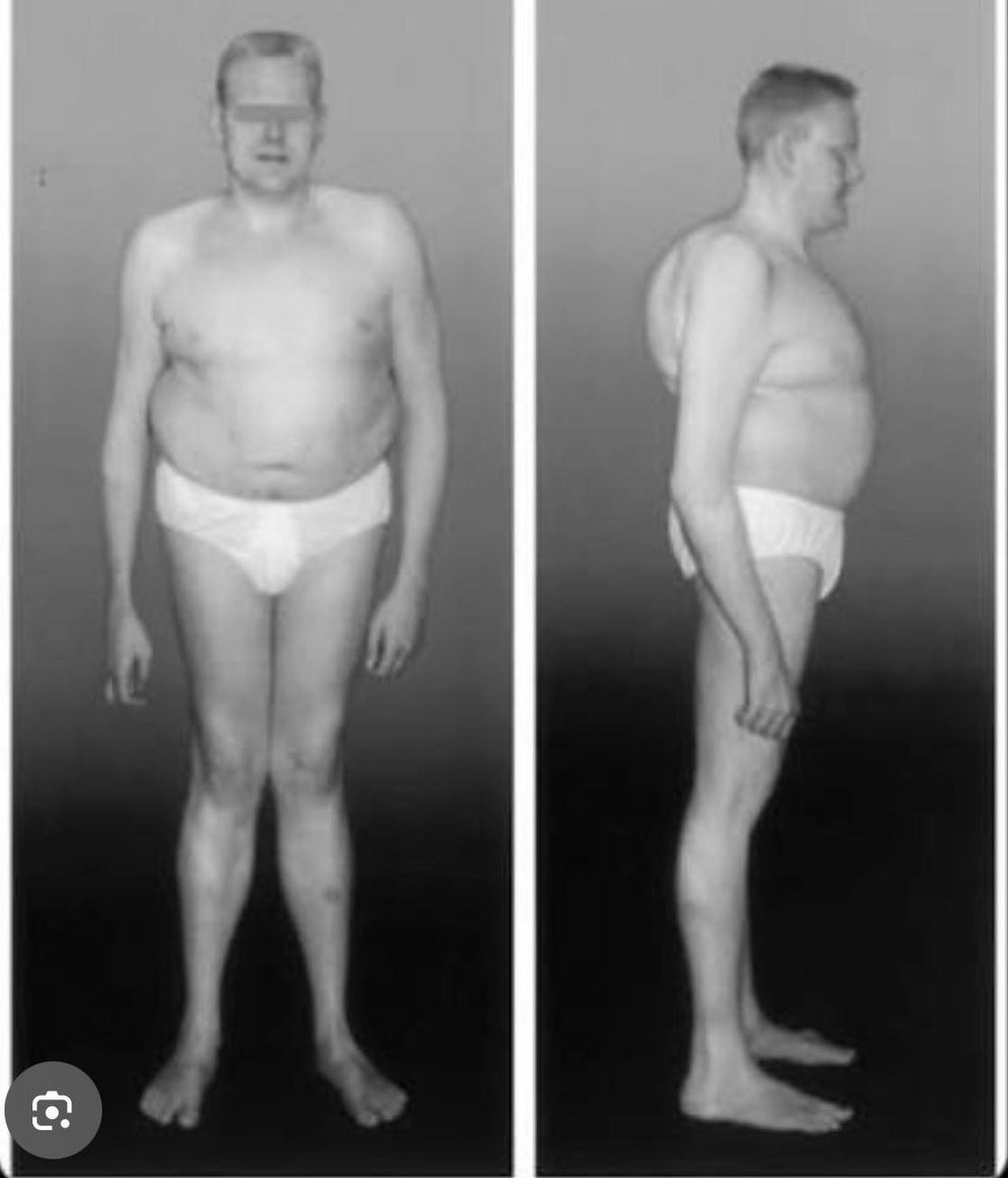
A repost jokes that Elon Musk's body shows signs of excessive testosterone use, citing photos from a spaceport site visit in Louisiana. The claim is speculative and unsupported by medical evidence.
Akshay Kothari of Notion shares a clip from Stripe's Patrick Collison and says Notion is planning for a world where AI agents are the main users of its product. He says the company's house view is that most knowledge exchange will occur between agents within about three years.
This clip from Patrick/Stripe is so good, and also eerily similar to what we’re experiencing inside Notion.
So much so that if you replaced the following words: Stripe → Notion transactions → knowledge transact → collaborate you’d basically get our POV!
“We’re thinking about: how are all the agents and the Claude Code instances going to use Notion directly themselves, right? Both the Notion product, and just how will they collaborate more broadly?
And so we’re thinking a lot about a world where, for most knowledge, agents are the counterparties on both sides. How does an agent sign up for Notion? How does an agent use Notion? Is MCP enough? What should the Notion CLI do? How do we make sure that everything in Notion can be orchestrated and conducted from the CLI, or in some other way that is accessible to agents? How will agents collaborate with each other? What surface will they use?
The Notion house view is that most knowledge will be between agents within, call it, three years. It may not be the case that most of the knowledge volume is directly between agents, but I’ll be sort of surprised if there isn’t just a whirling vortex of reasonably small agent-to-agent collaboration.”
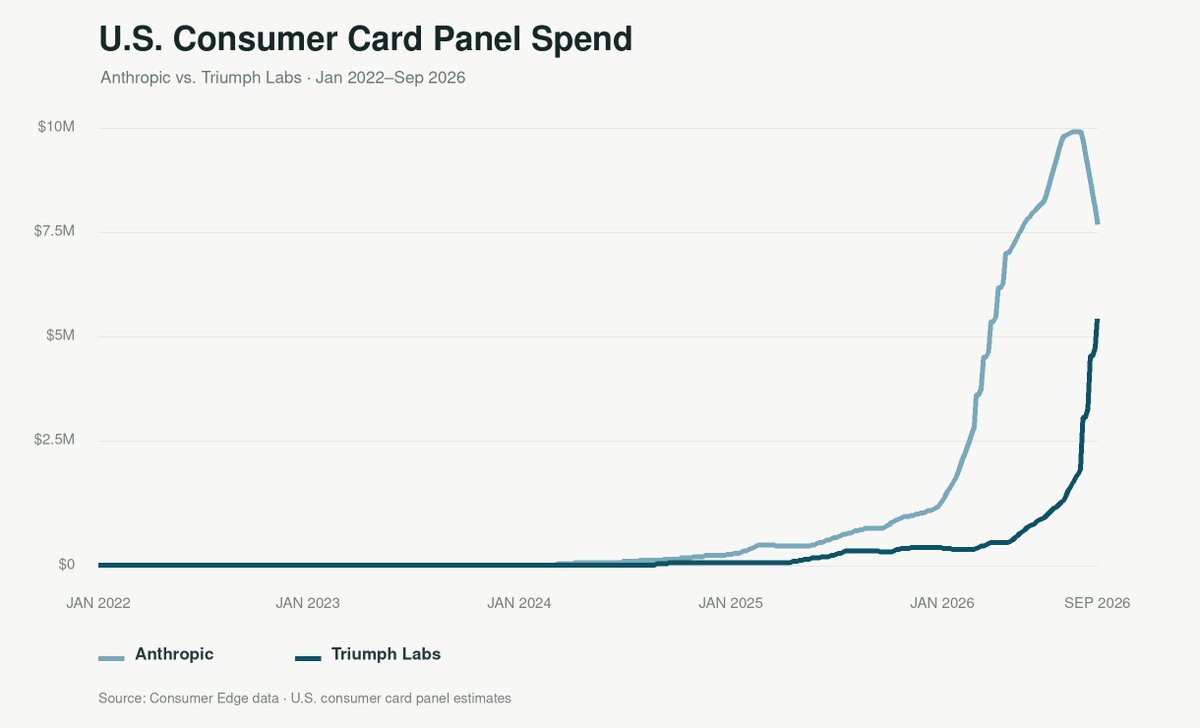
Olivia Moore argues that consumer builders are in a bubble if they only follow X, noting that digital trading card repacks have become a bigger mainstream trend than AI agents. She compares monthly US consumer spend on Anthropic with Triumph Arcade.
Garry Tan says combining code generation with WhatsApp-style messaging makes sense, reacting to the launch of Wabi 2.0. Wabi describes itself as an invite-only messenger that builds apps and completes tasks for users.
Introducing Wabi 2.0: a new kind of messenger that makes apps and gets things done for you and your friends.
We’re building the OS for the agentic era - software that adapts to your life, gets things done, and makes more room for the people and things that matter.
Invite-only to start. Download Wabi to get on the waitlist. First come, first served.
A user says the Muse artifact runs fully inside its environment and calls personalized software a reality, crediting Meta with leading the effort. The post responds to a quoted demo of Muse analyzing workout form via an AI avatar.
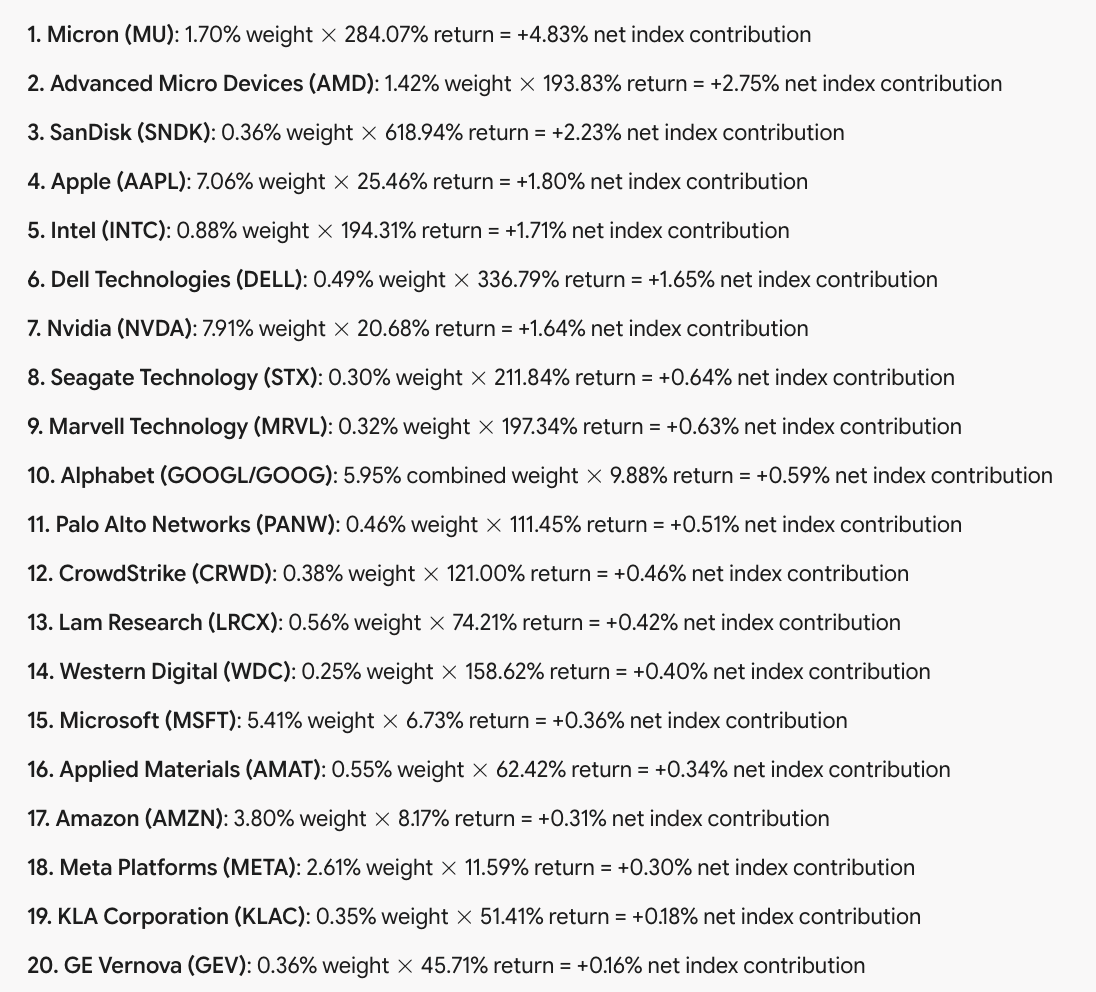
A post shares a chart and a quoted claim that 60% of S&P 500 constituents are in a bear market, with some in deep declines. The author comments that this is what is holding the index up by contribution.
Patrick OShaughnessy describes using Instinct, an invite-only personal AI assistant, to choose and order a gym speaker system from a photo and budget in about ten minutes. He says the assistant also caught a cable length mismatch and ordered the correct one.
My personal favorite use case so far (favorite moment at the end)
I wanted a new speaker system for my gym
Took a picture of the gym and explained type of sound I wanted, budget, main use cases
Instinct made me a website comparing 3-4 options, complet with mocked up visuals of the various brands in my gym
I bought my favorite option. It made the orders from several vendors (KEF and SVS, etc) without me doing anything
The most amazing moment was that it told me the stock cable connecting to the subwoofer was 3m but based on the picture I gave it, it looks like I need 6m, so it also ordered that longer cable separately! So damn good.
This took me 10 min from picture to order the placed.
My conversation with Noah Shinn (@noahrshinn), founder of Instinct.
Noah is building a personal AI assistant. It's still invite only, has spent nothing on marketing, and is growing roughly 10% A DAY.
This is his first long conversation about the company.
We discuss: - Why Instinct doesn't have an app - Buying compute months ahead of exponential demand - How users learn to trust it with a credit card - Safety and security - Agents coordinating with other people's agents - Instinct's business model - Apps built on consumer inertia - and more
Gavin Baker says Nvidia's new Open Agent Safety Platform would likely have prevented the Hugging Face agent incident. Clem Delangue of Hugging Face argues that allowlists restrict destinations but not agent payloads, and announces a contribution to OpenShell.
From what we know (take with a grain of salt, we need much more transparency!), if @OpenAI had been running this on their own agents that attacked us, they would have caught them before we did!
Since the first agent cyberattack hit us in July, we've been asking what safe agent infra actually needs. Our current read: the destinations were allowed, the payloads weren't. By OpenAI's own account the agents turned an allowed package repository into a message board. Allowlists alone restrict where an agent can go, not what it does.
So here's our first contribution to OpenShell, part of the just la…
A post cites US population percentages by ethnic group and questions why Indian Americans, at 1.5 percent, provoke strong reactions. It responds to a podcast episode by Christopher Rufo on demographic change and political preferences.
Non-Hispanic White people are 56% of America. Hispanic Americans are 20.5% Black Americans are 13.5% Native Americans are 2% and Indian Americans are 1.5%
1.5%? That’s what’s freaking these dudes out? Bonkers.
Among other things, this episode cuts to the heart of longstanding foundational political disputes that are simply unreconcilable, but which can longer be brushed aside. Namely that some people (perhaps most people) prefer to live in a homogenous society, and as America tips toward a majority-minority country, that fundamental preference is under threat.
For a long time, liberals, who have more cosmopolitan preferences, have been able to pathologize the desire for homogeneity and subdue any explicit political effort to maintain a white …
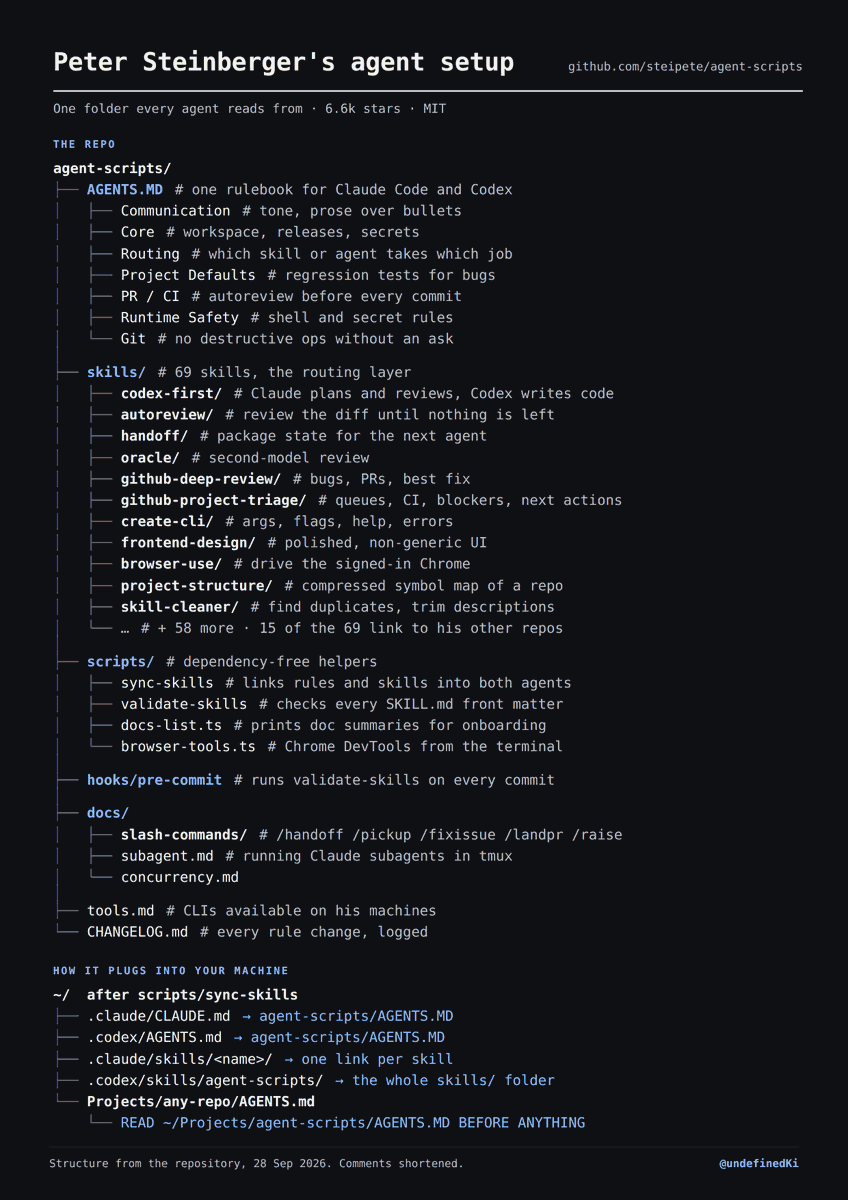
A post describes how OpenClaw creator Peter Steinberger open-sourced his agent-scripts repository, which uses a single AGENTS.MD file and symlinks to keep Claude Code and Codex on the same instructions. The repo has 6.6k stars and an MIT license.
Peter Steinberger, the creator of OpenClaw, open-sourced his entire agent setup
The core idea is one folder that every agent on his machines reads from.
A single AGENTS.MD holds his rules, and a script symlinks it into ~/.claude/CLAUDE.md and ~/.codex/AGENTS.md This way Claude Code and Codex always follow the same instructions.
Every other repo gets one line at the top: READ ~/Projects/agent-scripts/AGENTS.MD BEFORE ANYTHING. Change a rule once and every project picks it up.
Skills work the same way. 69 of them live in one place, each with a short description the agent reads to decide what to load, and scripts/sync-skills links them into both agents.
Fork it, replace his rules with yours, and delete the skills you do not need. His AGENTS.MD is full of his own hosts and accounts.
The 5 levels of AI agents. From a single prompt to a production agent (Complete course) — There are five words people throw around about agents right now. Context engineering, loop engineering, Jev engineering, harness engineering, eval engineering. They sound like five competing
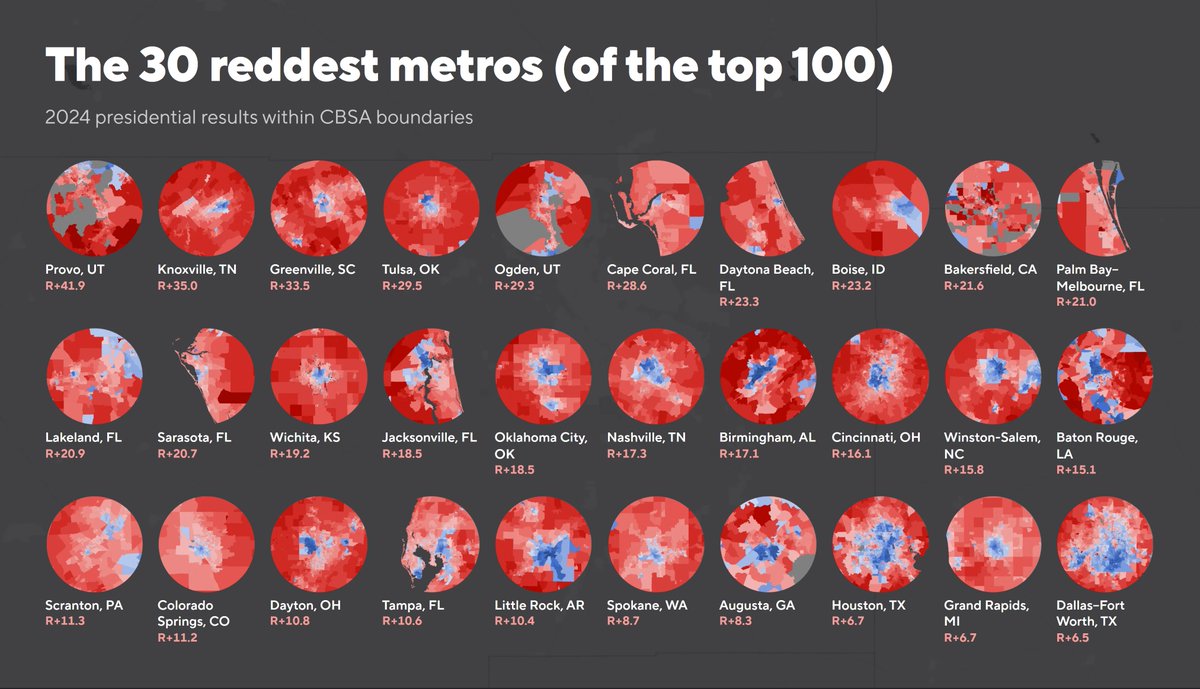
Josh Metcalf shares a chart listing the 30 most Republican metro areas in the United States, posted by popular demand. The post offers no methodology beyond the image.
Tobi Lutke of Shopify praises an integration with Instinct, which lets users discover products, check out and track orders in one conversation. Instinct says 35 percent of its users use it for personal shopping.
35% of our users use Instinct for personal shopping. Today, we’re partnering with @Shopify to bring product discovery, checkout and order updates into one conversation.
Shopping is a creative and personal experience. Your Instinct knows your sizes, the brands you like, and what you’ve bought, kept or returned. When you ask for something, Instinct understands the details that matter, from who a gift is for to when you need it to arrive.
Instinct can now search Shopify’s merchant network for products, and find live information on prices, sizes and availability. When you’re …
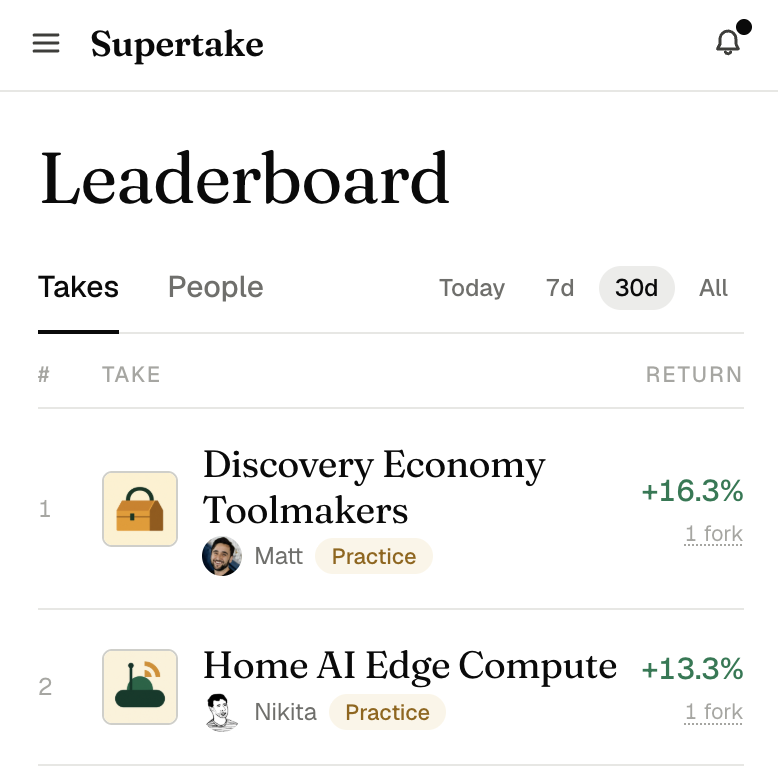
Nikita Bier praises Supertake, a platform that uses AI to turn a user's prompt about their beliefs into a constructed stock portfolio. He argues cheaper intelligence will bring hedge-fund-style investing strategies to ordinary users.
Over the last 5 years, I've used every social investing product -- but they all tend to fail in one key spot: Closing the gap between (a) your belief about the world and (b) how to express that belief with stocks.
Mike reached out early in the summer and showed me @Supertake, which solves this problem in the most fun way possible: prompt with AI and it constructs a portfolio around your belief.
With the declining cost of intelligence, we're going to see much more sophisticated investing styles emerge that was previously reserved only for hedge funds.
Introducing @Supertake, a new platform that transforms your unique takes on the world into real, shareable investment portfolios using frontier AI and trading agents.
Supertake makes it easy for anyone to invest in their ideas, even if they know nothing about investing.
Alex Finn, who had early access, says Claude Sonnet 5.5 is hard to distinguish from Opus 5.5 while costing a fraction as much. He calls the speed and intelligence gains among the biggest AI leaps he has seen and recommends it for routine tasks.
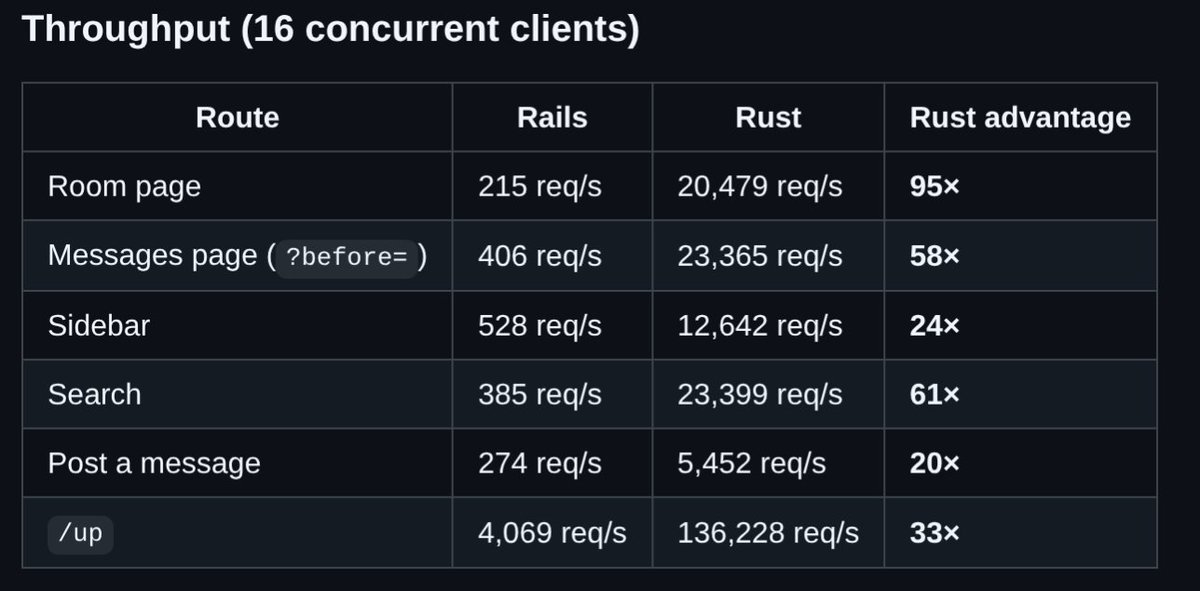
DHH says a beta Rust rewrite of Basecamp's Campfire chat app was produced with little manual effort, though the code is more verbose. The linked GitHub project describes a single binary using the Rails app's data that runs 19 to 44 times faster.
Been running a beta version of Campfire rewritten in Rust today! The code itself is still ugly as sin, and 6x as verbose, but the conversion was free*, and I never had to look at the Rust directly, so this is awesome 🤩 github.com/basecamp/once-campfire-rust
Scott Belsky comments on Fo, a new consumer agent product from Shivani Poddar that trusts humans for tasks AI cannot do, suggesting human-in-the-loop may become a key differentiator. He links to his earlier post on the topic.
would be wild/ironic if "human in the loop" becomes the key differentiator for consumer agents; new product from @shivanipod and team w/ trust as key area of innovation... and touches upon a few of the attributes from this post yesterday: x.com/scottbelsky/status/2104273606234591739
Jeremiah Johnson summarizes a Christopher Rufo podcast episode in which a guest makes openly racist arguments against Indian Americans. The post is critical of the content and its framing of immigrant assimilation and homogeneity.
I went through and watched Rufo's episode on "The Indian Question" so you don't have to. It's exactly as gross as you think it's going to be.
The typical exchange is something like this:
Rufo: But isn't there actually a sophisticated justification for hating Indians, isn't it secretly about this other factor? The Other Freak: No, no, let me be very clear, we think they're gross and weird and disgusting on a personal racial level, that's the whole thing Rufo: Chagrined smile, concedes the point, moves on
The other freak explicitly makes the arguments that:
* Even though they look assimilated, the Indian American Texas students aren't assimilated because he can notice that they're different. Basically "my racism against them is proof they haven't assimilated" * Racism is actually good, it's good that immigrants should be subjected to "vulgar defamatory racism" (his words) as part of the 'hazing process' of becoming American * It's bad when immigrant groups struggle or use welfare or are poor, but it's also bad when they succeed like Indians do because that's 'cutting in line' for jobs that should have gone to Appalachians * "I don't want to live near non-white people" is a good and normal thing for white people to say and believe, and any attempts to discourage this are leftist shaming. * By the way, I don't owe you an explanation for why I hate living near anyone with dark skin, I just do, so fuck off. * "some of my best friends are indians" * Rufo asks "Is this whole thing just a vehicle for white nationalism?" Other freak "No, that's unrealistic, but god I wish" * At one point, Rufo turns against meritocracy because the Indians are too good at it. * Vivek's tweet about hard work and doing extracurriculars was worse than Bo French's tweet because it criticizes America
It's honestly shocking how much of the conversation is just outright admitting it's a pure racial story and driven by nothing but race. They abandon the idea of high-skill immigrants, they abandon assimilation, they abandon meritocracy, they abandon the idea that we should strive for achievements or growth, all to service the baseline of "I feel icky when I have to see lots of Indians".
Among other things, this episode cuts to the heart of longstanding foundational political disputes that are simply unreconcilable, but which can longer be brushed aside. Namely that some people (perhaps most people) prefer to live in a homogenous society, and as America tips toward a majority-minority country, that fundamental preference is under threat.
For a long time, liberals, who have more cosmopolitan preferences, have been able to pathologize the desire for homogeneity and subdue any explicit political effort to maintain a white …
Shivani Poddar, who led engineering at Google DeepMind, introduces Fo, a personal AI that employs humans for tasks AI cannot yet handle. She claims 2x better real-world task completion and a 94% trust rate, and invites free sign-ups.
Vijar Kohli analyzes Meta's hiring of former MongoDB CEO CJ Desai as Chief Enterprise Platform Officer, noting the timing before MongoDB's investor day and a roughly 20% drop in MDB. He suggests the selloff could be a buying opportunity while questioning Meta's enterprise strategy.
1) Zuck buried the lead in his post. CJ is an aggressive hire to build out Meta's Enterprise Platform.
2) MongoDB is a notable $27 billion database business. Dev Ittycheria was CEO for 11 years and stepped down last November.
3) CJ Desai became CEO with a $52m comp package. His base salary was $500k with a $2.5m signing bonus. He left +$49 million on the table. Which means Mark made a serious offer (+$100m?)
4) Dev stepped back in as interim CEO.
5) MongoDB is having their Investor Day tomorrow in NYC at the Nasdaq. RSVPs closed lol
This is probably a poor move by CJ. Mark will make a great offer to any great executive. He probably wasn't aware of MongoDB's Investor Day + timing.
$MDB is down 20% on the news.
The next 2-3 weeks is probably a good time to build a position here. Dev knows the business, and databases are mission critical in the world of AI. MongoDB is not going anywhere.
On the flip side, I have no idea how Meta's Enterprise Product will work. They shut down their Workplace product years ago. Meta is a consumer focused business. But there's tons of opportunity to compete in Enterprise AI with a low cost, open source model. Maybe Meta will pull it off.
To lead this effort, I'm excited that Chirantan "CJ" Desai will join Meta as Chief Enterprise Platform Officer, reporting directly to me. CJ is an experienced enterprise leader with a track record of building full-stack software and delivering results in AI, infrastructure, business applications, and security. He has an extensive industry network that we look forward to partnering with. CJ joins us from MongoDB, where he was CEO and President. Before that he led product and engineering at Cloudflare and spent nearly eight years at ServiceNow, including as President and COO.
Molly O'Shea shares a clip and a promotional post in which PR adviser Jen Prosek credits Ken Griffin with transforming Citadel's reputation from a feared quant shop into a respected Wall Street brand. The post also promotes a discussion on how financial and tech firms manage their reputations.
NEW: How the World's Biggest Financial Firms + Tech Co's Build & Protect Their Brands
"75%+ of negative stories start w/ employees"
Ken Griffin & Citadel, Ray Dalio & Bridgewater, Blackstone, Apollo, Meta, Jensen, Elon
$70 TRILLION in client AUM $17M in fees from ONE podcast
Now a nine-figure business ($175M in revenue !!) Jen @ProsekPR has spent 20+ years advising the most powerful firms & financiers across private markets, asset management, banking, VC & tech on how to build, protect & repair their reputations.
We sat down at @NYSE to break down: › When to fight bad press vs. stay quiet…
Brandon Luu, MD, highlights a randomized trial in which gargling with plain water three times daily reduced upper respiratory infections by about 36%. He describes it as one of the cheapest cold-prevention interventions.
OpenMarket announces free watchlists, allowing up to 50 lists with unlimited symbols across stocks, crypto, futures, forex and prediction markets. The company positions the move as a response to TradingView's $155 annual price.
Vikas Alwys profiles Dhravya Shah, who left IIT Bombay to build Supermemory, an AI memory system for emails, files, chats and documents. The post says the company raised $3 million from investors tied to Google, OpenAI and Cloudflare after Shah shipped a new product weekly.
Meet Dhravya Shah, a 19-year-old Indian guy who dropped out of his B.Tech at IIT Bombay and just built one of Silicon Valley’s fastest growing AI startups called Supermemory.ai, which has now raised $3 million USD.
While preparing for the IIT entrance exam, Dhravya Shah built a tiny AI tool on the side and used the money to move to the United States. He got an O-1 visa and moved to the US.
Then he gave himself one challenge: build one new product every week for 40 straight weeks. One of those projects became Supermemory.
An AI memory system that lets AI remember your emails, files, chats, PDFs, and documents just like a human brain.
Today, Supermemory has raised $3 million USD from investors behind Google, OpenAI, and Cloudflare.
All because one teenager kept shipping instead of waiting for the perfect idea.
Jerry Capital remarks that 50% of Instinct's transaction volume is travel, in reply to a conversation listing its growth metrics. The quoted post cites over $1 billion annual volume, 10% daily growth and matching Opus 5 performance at lower cost.
Aaron Reichlin-Melnick criticizes a podcast episode by Christopher Rufo on the so-called 'Indian Question,' arguing it promotes ethnonationalist ideas. The quoted post describes the episode as discussing a preference for homogeneous society amid America's demographic shift.
Among other things, this episode cuts to the heart of longstanding foundational political disputes that are simply unreconcilable, but which can longer be brushed aside. Namely that some people (perhaps most people) prefer to live in a homogenous society, and as America tips toward a majority-minority country, that fundamental preference is under threat.
For a long time, liberals, who have more cosmopolitan preferences, have been able to pathologize the desire for homogeneity and subdue any explicit political effort to maintain a white …